Pain is commonly the first signal an individual gives you, and sometimes the only one you get in a loud emergency situation bay. Handling it well is not regarding giving out analgesia on a timetable. It is reasoning moving: reviewing the person, evaluating threat, collaborating with the team, and providing the appropriate intervention at the right time. That is the core of PUAEME008 Offer Pain Monitoring, the system that underpins secure, effective prehospital and acute care analgesia throughout Australia. For registered nurses who intend to sharpen their practice in high‑stakes settings, mastering this device is both an expert side and a patient safety imperative.
This overview unloads what PUAEME008 really appears like in method, why it matters for registered nurses, and how to convert training right into positive, honest treatment. It makes use of real-world examples, typical pitfalls, and the nuances that sit behind cool flowcharts.
What PUAEME008 covers, in practice
The title seems basic: give pain management. The information is not. The unit concentrates on quick, organized pain analysis; safe selection and management of analgesics within range; keeping an eye on for unfavorable impacts; and rise when red flags emerge. It additionally stresses consent, paperwork, and teamwork.
In concrete terms, that indicates you ought to be able to take a client from very first get in touch with to safe handover while managing discomfort and not creating damage. You recognise when pharmacological choices are proper, when non-pharmacological procedures will add worth, and when to pause and reassess because the medical diagnosis is unpredictable. You run within local protocols and your credentialed range, which may include inhaled methoxyflurane, intranasal fentanyl, IV morphine, or ketamine, relying on your organisation.
PUAEME008 sits comfortably alongside discomfort monitoring training for nurses supplied with short training courses hurting administration or a more comprehensive pain monitoring certification course. Many companies map their discomfort management training programs to this unit to help learners get an across the country recognised declaration of attainment, or stack the device into a certification course in pain administration that consists of wider modules in assessment, pharmacology, and communication.
Why nurses gain from straightening with PUAEME008
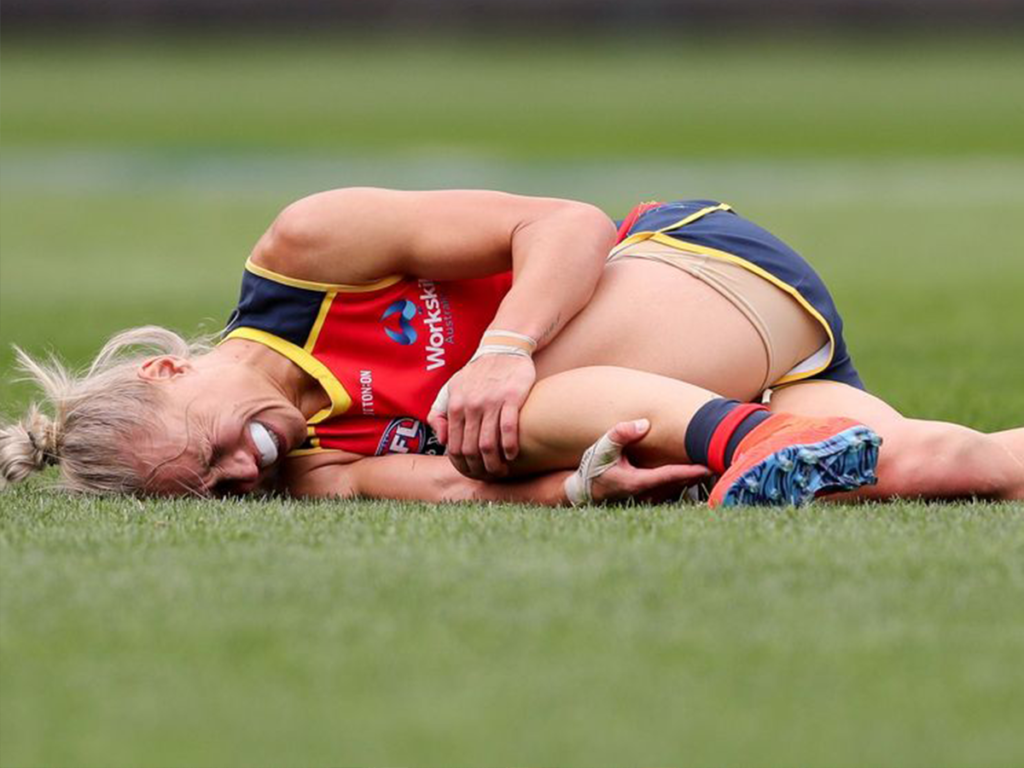
You currently analyze pain every shift. The value of a structured device is consistency under pressure. In an emergency department, ambulance meet, remote center, or retrieval group, uniformity suggests less misses out on and more secure choices. Registered nurses who complete a discomfort management qualification or a targeted discomfort monitoring course aligned to PUAEME008 have a tendency to move faster from recognition to treatment. They additionally record a lot more clearly, a critical guard when handovers cover numerous groups and hours.
For supervisors, nurses credentialed in puaeme008 offer pain administration bring quantifiable renovations. Fewer escalations for preventable oversedation. Much better patient complete satisfaction scores. Much shorter time-to-analgesia, which lowers anxiety and additional injuries from uncontrolled pain.
There is an individual dimension too: confidence. Couple of points change the tone of a shift like recognizing you can de-escalate extreme pain safely while the clinical group kinds the underlying cause.
The makeup of efficient pain assessment
Numbers assist, however they are not the entire story. You need to triangulate 3 streams of info: patient report, visible behavior, and physiological context.
Start with the client's words. A numerical ranking range anchors the discussion, yet it can misguide. A patient farmer with a compound tibia may report 5 out of 10 since he wants to stay clear of narcotics. A frightened teen with kidney colic might report 10 out of ten and hyperventilate. Take the number, then ask what the discomfort seems like, where it started, whether it emits, and what exacerbates or relieves it. Quality overviews your differential; sharp pleuritic pain and plain stress are different beasts.
Watch the body. Guarding, splinting, pale clammy skin, shaking, or flinching at light touch all inform you just how the nerves is reacting. People with cognitive problems, dementia, or language obstacles require extra care. In these instances, pain assessment devices developed for nonverbal individuals earn their keep, however you still need to check out the area: household input, behavioral changes from standard, and the scientific context.
Layer in physiology. A heart rate up 20 beats from standard, blood pressure changes, and respiratory pattern changes can signify both pain and decompensation. In a trauma patient with borderline perfusion, choices regarding analgesia action from simple convenience to hemodynamic strategy.

This detailed strategy is installed in solid pain management training, and it is the reason lots of discomfort management training courses for registered nurses invest as much time on analysis as on pharmacology.
Medication options within scope and context
PUAEME008 recognizes variation in regional authorisations. Some services back breathed in methoxyflurane for modest to severe trauma discomfort, intranasal pain management training for nurses fentanyl for quick, needle‑free relief, or IV morphine in monitored settings. Others include ketamine for serious discomfort, specifically when hypotension is a concern.
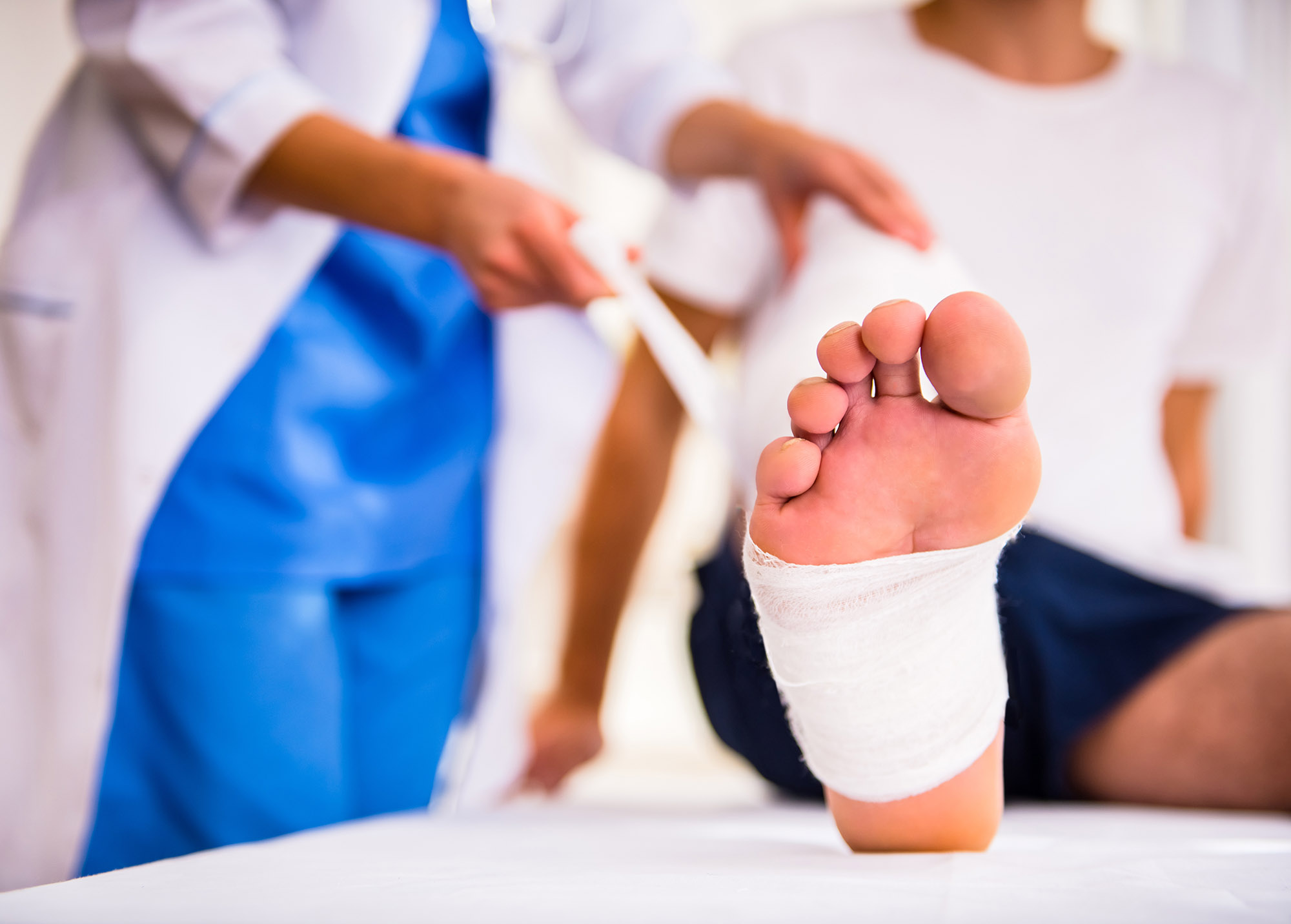
Methoxyflurane is forgiving on the hemodynamics and easy to provide. It can bridge the space while you protect IV gain access to or set up a block. Side effects usually include lightheadedness and nausea or vomiting. It is unsuitable in substantial kidney problems or in patients with malignant hyperthermia threat. I have seen it save an or else uncontrollable extrication, the individual coaching themselves with the whistle in between breaths while we splinted and moved.
Intranasal fentanyl supplies rate when time and capillaries are limited. Rapid onset, brief duration, and predictable titration in tiny aliquots. The threat is breathing anxiety, probably in the sickly, the intoxicated, or when mixed with sedatives. Surveillance is non-negotiable: respiratory system price, oxygen saturation, psychological condition. If you work in a solution that uses it, have naloxone all set and a mental design of reversal dosing.
IV morphine stays a staple, particularly for fractures, burns, and postoperative pain. Titrate slowly, reassess after each tiny dosage, and regard the lag in between administration and peak result. The most usual mistake I see in brand-new experts is rashness in the very first five mins adhered to by overshoot. Clock time and client time do not match when the room is busy.
Ketamine is important when you need analgesia without dropping blood pressure. At analgesic dosing, dissociation is unusual, but expect weird perceptions. Alert the person regarding a "floaty" feeling. Co-administer a little benzodiazepine only if your regional method sustains it and the individual's respiratory system book is solid. In trauma, ketamine can unlock splinting and placement that would or else be unbearable.
Non-opioid complements have a place. Paracetamol for standard control, NSAIDs when bleeding danger is low, local anaesthetic infiltration or local blocks if you are trained and authorised. A well-placed femoral nerve block can transform an experience into a manageable transfer and minimize complete opioid load.
Non-pharmacological actions are not decoration
Talk is a method. A calm, specific explanation reduces fear, and fear magnifies pain. Immobilisation, altitude, ice, warm, and gentle positioning are standard yet powerful. Disturbance functions throughout ages. For burns, awesome running water very early and non-adherent dressings later on provide discomfort relief that medications can not match. In a delirious patient, dark light and a familiar voice might do greater than another milligram of opioid.
Most pain management training programs forget exactly how to series these alternatives. The order matters. Immobilise initially in limb injuries, then think about inhaled or intranasal representatives. Cooling prior to analgesia is affordable in tiny burns, however in comprehensive burns aim for analgesia during clothing to avoid hypothermia and distress.
Red flags that override routine
Some pain ought to not be blunted until you ensure the diagnosis. Undifferentiated stomach pain in an unstable client warrants slim, careful titration if any type of. Analgesia does not obscure peritonitis, yet extreme sedation can postpone essential indicators like protecting or altered mental condition. Abrupt serious headache "worst ever" with neurological change needs neurology and imaging. Pain in the back with saddle anesthetic or brand-new weakness is a medical clock. In these circumstances, PUAEME008 does not advise you to hold back convenience. It asks you to balance alleviation with analysis stewardship and to rise quickly.
For upper body pain, analgesia can assist, yet opioids might drop high blood pressure and mask recurring ischemia signs and symptoms. Antiplatelets, nitrates if indicated, and oxygen just if hypoxic are the essentials. Treat pain while you work the protocol, not instead of it.
The art of titration and the self-control of monitoring
Good discomfort monitoring is hardly ever a single large dose. It is a collection of little, determined actions, each followed by review. The reassessment is the component that often tends to slip when the phone rings and the bed alarm goes off. Build a micro-routine: dosage, 2 mins observing respiratory system price and speech, check the individual's description, file. If you can not enjoy, you can not dosage. Delegate or delay.
Monitoring ought to match the threat. For breathed in methoxyflurane, observe level of awareness, wooziness, and queasiness. For opioids, include breathing rate, oxygen saturation, and capnography if offered. For ketamine, display high blood pressure and appearance reactions. Discomfort ratings aid track impact, yet stay clear of chasing after a number to no. Functional goals matter more: can the client take a full breath, rest between spasms, permit secure repositioning.
Consent, capacity, and culture
Consent in emergency pain administration is usually implied, yet not always. A mindful, focused client who rejects an opioid due to past dependency is exercising autonomy. Deal options, describe your reasoning, and respect the decision. If the client does not have ability because of head injury or shock, act in their best pain management courses for physiotherapists interests utilizing the very least limiting means and document your rationale.
Cultural considerations shape exactly how individuals share pain and approve therapy. In some neighborhoods, stoicism is a virtue, in others, singing expression is expected. Do not correspond volume with severity or silent with comfort. Use interpreters whenever language obstacles exist, and avoid leaning on family to translate scientific nuances like threats of sedation.
Documentation that secures individuals and practitioners
Good notes are not verbose, they are structured. Record the preliminary analysis with descriptors, not simply a number. Tape-record what you provided, dosage, time, route, and feedback. If you differed common dosing due to comorbidities or gain access to problems, state so. Consist of unfavorable impacts and the actions taken. If you are working within a pain management qualification program framework, your assessors will certainly try to find this reasoning trail. In reality, future you will be happy when the specialist asks what happened before transfer.
What qualified performance looks like throughout settings
Consider a country nurse faced with a rollover and a 60‑year‑old with an undoubtedly fractured humerus, hypotensive yet speaking. The registered nurse uses a sling and swathe to immobilise, carries out methoxyflurane while preparing an IV line, and demands retrieval. High blood pressure stabilises with liquids and discomfort control. Intranasal fentanyl adheres to in little dosages to preserve comfort during the long wait, with vital indications kept an eye on and recorded every 5 minutes. The registered nurse describes the experiences expected from methoxyflurane, look for kidney issues, and validates no individual or family members background of malignant hyperthermia. On handover, the retrieval team praises the titration and the clear notes. That is PUAEME008 in action.
In a city ED, a client with a displaced ankle joint crack gets here in serious pain. The triage registered nurse starts analgesia within the fast assessment area: intranasal fentanyl titrated to functional alleviation so that radiography is possible, adhered to by a regional block by a credentialed medical professional. The nurse anticipates queasiness, has an emesis bag all set, and supplies basic descriptions to maintain rapport. The individual avoids vomiting, keeps oxygen saturation stable, and undertakes a smooth decrease. Minutes cut, distress reduced.
Common mistakes and just how to prevent them
Over-reliance on solitary modalities results in stress. If all you have is IV morphine, you may under-treat because access is postponed or the person is needle-phobic. Build a layered plan that transitions from inhaled or intranasal agents to IV as proper. Another catch is dosing by routine as opposed to weight, age, and comorbidity. Frail older adults need smaller sized increments and longer pauses between dosages. People with rest apnea or persistent obstructive pulmonary disease are delicate to respiratory system anxiety; keep the head raised, consider reduced opioid dosages, and use capnography when you can.
A third pitfall is overlooking non-pharmacological treatment while chasing after a number. A well-padded splint or gentle repositioning can halve an analgesic demand. Ultimately, groups often neglect to clarify what the individual will certainly feel. When a person recognizes methoxyflurane can create impaired thinking, they will certainly not stress. When ketamine's affective modifications are predicted in plain language, you minimize fear.
Training pathways that map to PUAEME008
For registered nurses, the very best entrance is a program clearly straightened to PUAEME008 Provide Pain Management, with practical assessment under guidance. Search for programs that include live circumstances, not simply e-learning. Premium discomfort monitoring training for nurses blends short concept components with hands-on practice utilizing methoxyflurane tools, intranasal atomisers, and IV cannulation where within scope.
If you need credentials rapidly, short programs in pain monitoring can solidify skills without lengthy research study obstructs. For wider extent or management functions, a discomfort management qualification training course that pairs PUAEME008 with sophisticated assessment, opioid stewardship, and regional techniques deserves the time. Several organisations will accept a discomfort monitoring certification as component of your credentialing data, specifically if the carrier is recognised and the assessment consists of direct monitoring. If you are functioning alongside allied health, take into consideration cross-disciplinary sessions. Discomfort administration programs for physio therapists typically master non-pharmacological approaches that registered nurses can incorporate right into severe care plans.
Clinicians in prehospital or immediate treatment setups should validate that their picked program educates emergency situation discomfort monitoring in realistic contexts. Request for information on teacher experience, circumstance hours, and post-course support. Some suppliers include a refresher collection for 6 to twelve months, which aids with skill retention.
Skill maintenance and audit
Skills fade without repeating. Set up refreshers every 6 to one year for high-risk medicines. Run quick simulations throughout team gathers: one five-minute run through of intranasal dosing and surveillance gets a great deal of security. Keep a simple audit: time-to-analgesia from triage or first contact, portion of people with recorded reassessment within ten minutes, and cases of unfavorable events. When numbers wander, target training. If your solution makes use of an offer discomfort administration training course lined up with PUAEME008, build its expertises into your yearly appraisal.
Ethical practice in the age of opioid stewardship
Safe analgesia have to live alongside a fact: opioids can damage. Stewardship does not indicate holding back needed alleviation, it means precision. Use the most affordable effective dosage, pair with non-opioid modalities where feasible, and prepare for de-escalation. For understood chronic pain patients, prevent duplicating their baseline opioids while you attend to acute exacerbations. Verify present programs, consider resistance, and team up with discomfort solutions when readily available. Give take-home instructions that anticipate rebound pain and nausea or vomiting, and make sure patients understand that to call if signs and symptoms escalate.
Communication as scientific intervention
Words carry as much weight as milligrams. When you walk in calm, name the most likely source of pain in plain language, and outline what you will do, blood pressure typically goes down a couple of points before any medicine gets in. Welcome inquiries. Show what you see: "Your breathing is alleviating with this dosage. We will give one more percentage and maintain viewing your oxygen." This running discourse develops count on and aids you discover changes. Family members relax, which releases your hands and attention for the patient.
Building a local procedure that works
Even the very best educated nurse battles without a clear protocol. If you have impact in your device, form a succinct formula that fits your formulary and equipment. Maintain it on one page at the bedside: evaluation hints, first-line options by intensity, titration actions, monitoring standards, and particular cautions. Consist of a quick section on individuals with minimal capability or language obstacles. Make it easy to adhere to under stress. Straighten it explicitly to PUAEME008 to support training, conformity, and audit.
A short, practical checklist for the following shift
- Verify range, supply, and gadgets for analgesia at the beginning of shift; check methoxyflurane materials, intranasal atomisers, and turnaround agents. Assess discomfort utilizing words, behavior, and physiology; document descriptors, not simply a number. Choose the lined up method for the circumstance; titrate in tiny actions and reassess after each dose. Layer non-pharmacological measures early; immobilise, placement, and communicate clearly. Monitor and record feedback and adverse impacts; rise when warnings or irregular patterns appear.
The throughline: mastery as behavior, not heroics
Mastering PUAEME008 is much less about memorising drug graphes and more concerning creating trusted behaviors. Enjoy carefully, act early, dose meticulously, and talk plainly. Transform what you find out in a discomfort management course into muscle mass memory. With time, you will certainly really feel the change. The client who might not breathe with broken ribs will certainly take a full, steady breath while you adjust the cushion. The young person with a disjointed shoulder will certainly nod when you inform them the next min will really feel strange, then kick back as the joint slides home. The team will aim to you when discomfort threatens to thwart treatment, because you make it routine.
For registered nurses, that is the guarantee of lining up with PUAEME008 offer discomfort administration: fewer minutes of vulnerability, even more minutes of crucial alleviation, and a method grounded in skill, empathy, and safety and security. Whether you seek an official pain administration certification, a targeted pain management certificate training course, or pile units within a larger program, the genuine procedure rests at the bedside. Discomfort will certainly maintain coming. With the appropriate training, you will certainly meet it well.